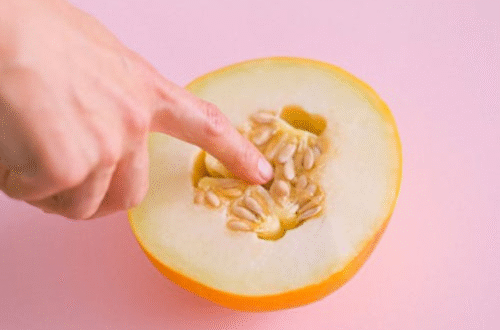
If you want the real answer to what makes women come the most, research points to one thing above all others: clitoral stimulation. Orgasm rates increase dramatically when clitoral touch is combined with penetration, oral stimulation, and longer foreplay.
Female orgasm often gets treated like a mystery. But modern sexual research has studied thousands of women across surveys, anatomy research, and clinical studies.
The results are surprisingly consistent. Certain types of stimulation make orgasm far more likely, while others rarely work on their own.
Here is what the science actually says.
The Clitoris Is the Main Driver of Female Orgasm
The single most important factor behind female orgasm is clitoral stimulation.
According to a 2018 study by Herbenick and colleagues only 18.4 percent of women report reaching orgasm from vaginal intercourse alone without clitoral stimulation.
Other research reaches similar conclusions. Most studies estimate that **only 18 to 35 percent of women orgasm reliably from penetration alone, while the majority need clitoral stimulation to climax.
Meanwhile, orgasm through direct clitoral stimulation is extremely common. Research by Kontula and Miettinen found that roughly 90 percent of women can reach orgasm during masturbation, which typically involves clitoral stimulation.
That makes perfect sense anatomically.
The clitoris contains roughly 8,000 nerve endings, making it one of the most sensitive structures in the human body. What many people do not realize is that the visible tip is only a small part of the organ. Internally, the clitoral structure extends around the vaginal canal like a wishbone.
Because of this internal structure, penetration can indirectly stimulate the clitoral network. However, direct clitoral stimulation remains the most reliable trigger for orgasm.
If you want a deeper look at techniques and anatomy, our guide to clitoral orgasms explains how this process works.
Combined Stimulation Produces Stronger Orgasms
While clitoral stimulation alone works well, research shows that **combined stimulation** often produces the most intense orgasms.
This simply means stimulating the clitoris during penetration.
According to a 2018 study by Shirazi, Self, and Dawood, only about 21 to 30 percent of women reach orgasm during intercourse without clitoral stimulation. When clitoral stimulation is added, orgasm rates rise to over 50 percent.
Many women describe these orgasms as stronger and longer lasting. The reason is neurological.
Clitoral stimulation activates the pudendal nerve, while deeper vaginal sensations activate the pelvic and hypogastric nerves. When multiple nerve pathways fire at once, the brain receives a much stronger pleasure signal.
Oral Sex Is One of the Most Reliable Paths to Orgasm
Another strong answer to what makes women come the most is oral sex.
Studies consistently show orgasm rates around 60 percent during cunnilingus, which is significantly higher than intercourse alone.
Much of this data comes from large population studies. For example, research published in Archives of Sexual Behavior by Frederick and colleagues found that sexual encounters involving oral stimulation and manual touch dramatically increased the likelihood of orgasm compared to intercourse alone.
Oral stimulation works well because it allows:
- focused clitoral stimulation
- slow and consistent pressure
- gradual buildup of arousal
Many women also report feeling more relaxed during oral sex, which makes orgasm easier.
Foreplay Increases Orgasm Chances
Female arousal usually develops more slowly than male arousal.
This is why foreplay plays a critical role in orgasm.
Activities like kissing, touching, oral stimulation, and teasing increase blood flow to the genitals and activate brain arousal centers.
According to the same Frederick et al. research, women who included deep kissing, manual stimulation, and oral sex in their encounters were significantly more likely to reach orgasm than those who only had intercourse.
Longer foreplay helps because it allows the body to move through the full sexual response cycle.
The Brain Plays a Huge Role in Female Orgasm
Physical stimulation is essential, but orgasm is not purely physical.
Psychological factors strongly influence orgasm frequency. Research highlights several key contributors:
- low stress levels
- positive body image
- emotional safety with a partner
- strong sexual desire
Stress is one of the biggest blockers.
When someone feels anxious or distracted, the body activates the sympathetic nervous system, which interferes with sexual arousal.
According to research by Cindy Meston and David Buss, psychological motivations and emotional context strongly influence sexual arousal and orgasm patterns.
Relaxation does the opposite. It allows the brain’s reward centers and sexual reflex pathways to fully activate.
Communication Improves Orgasm Frequency
Another factor that strongly affects female orgasm is communication.
The large national dataset analyzed in the Frederick et al. study also found that women who openly communicated sexual preferences reported higher orgasm frequency.
Simple forms of communication can help a lot:
- guiding a partner’s hand
- adjusting rhythm or pressure
- giving positive feedback
Partners often assume they know what works. But sexual pleasure varies widely between individuals.
Open communication makes it easier to find what actually works.
Different Types of Orgasms
Female orgasm is more diverse than many people realize.
While clitoral orgasms are the most common, other forms of stimulation can also lead to climax.
For example:
- Anal orgasms can occur because the anal wall sits close to internal clitoral structures and pelvic nerves.
- Nipple orgasms are possible because nipple stimulation activates the same sensory areas of the brain as genital stimulation.
- Some women can also learn how to have multiple orgasms since the female refractory period is often shorter than the male one.
Interestingly, neuroimaging research shows that the brain processes stimulation from the clitoris, vagina, and cervix in closely related sensory regions. This was demonstrated in a neuroimaging study led by Barry Komisaruk.
The Orgasm Gap and What It Reveals
One of the most discussed topics in sexual research is the orgasm gap.
Men orgasm in roughly 90 to 95 percent of sexual encounters. Women orgasm around **65 percent** of the time during heterosexual encounters.
However, the same Frederick et al. study found that lesbian women reported orgasm rates around 86 percent.
Researchers believe the difference comes from behavior. Sexual encounters between women tend to include:
- longer foreplay
- more oral stimulation
- more clitoral focus
- more communication about pleasure
In other words, the activities that increase female orgasm happen more often.
What Actually Makes Women Come the Most
When researchers combine decades of data, the same pattern appears again and again.
The strongest predictors of female orgasm are:
1. Direct clitoral stimulation
2. Combined clitoral and vaginal stimulation
3. Oral or manual stimulation
4. Longer foreplay and gradual arousal
5. Relaxation and emotional comfort
6. Open communication between partners
Female orgasm is not mysterious.
It works best when anatomy, stimulation, and psychology work together.
When those elements align, orgasm becomes far more likely and far more satisfying.
References
- Herbenick, D., et al. (2018). Differences in orgasm frequency and sexual behaviors among women in the United States.
https://pubmed.ncbi.nlm.nih.gov/28678639/ - Frederick, D. A., John, H. K., Garcia, J. R., & Lloyd, E. A. (2018). Differences in orgasm frequency among heterosexual, bisexual, lesbian, and gay individuals.
https://link.springer.com/article/10.1007/s10508-017-0939-z - Shirazi, T. N., Self, H., & Dawood, K. (2018). Women’s orgasm and the role of clitoral stimulation during intercourse.
https://www.tandfonline.com/doi/abs/10.1080/0092623X.2017.1346530 - Kontula, O., & Miettinen, A. (2016). Determinants of female sexual orgasms.
https://www.tandfonline.com/doi/full/10.1080/17470919.2015.1135980 - Komisaruk, B., Wise, N., Frangos, E., Liu, W., Allen, K., & Brody, S. (2011). Women’s clitoris, vagina, and cervix mapped on the sensory cortex.
https://pubmed.ncbi.nlm.nih.gov/21797981/ - Meston, C. M., & Buss, D. M. (2007). Why humans have sex.
https://pubmed.ncbi.nlm.nih.gov/17605546/