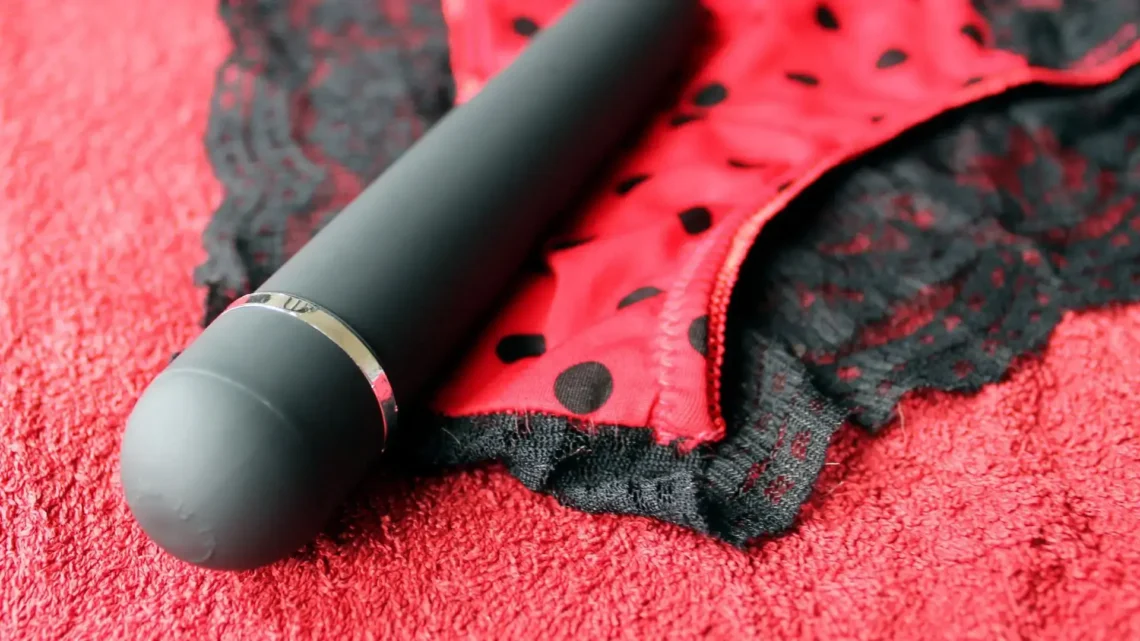
The best sex toy materials are non porous, body safe, and easy to clean. Silicone, stainless steel, and borosilicate glass top the list. Choose based on feel, temperature play, and maintenance needs, and avoid cheap jelly, PVC, or rubber that may contain phthalates.
Picking the right material affects safety, sensation, and how long your toy will last. You want a material that feels good, is compatible with your preferred lubricants, and won’t harbor bacteria. This guide breaks down the most reliable materials, what to avoid, and simple cleaning rules you can follow.
Silicone
Silicone is a top pick for many user of men sex toys because it blends safety with comfort. It is non porous, hypoallergenic, seam free, and transmits vibration well. High quality silicone resists tears and lasts a long time, so investing in a well made silicone toy usually pays off. BBoutique’s body safe materials guide confirms silicone’s reputation for durability and hypoallergenic properties.
When using silicone toys, avoid silicone based lubricants because they can degrade the surface. Stick to water based lubricant to protect the material and keep the toy performing. Clean silicone with warm water and soap or a dedicated toy cleanser, unless the manufacturer’s instructions say otherwise.
Stainless Steel
Stainless steel is durable, non porous, and extremely easy to sanitize. Steel toys are great for temperature play, feel weighty for fuller pressure, and are compatible with all lubricant types. Because they are non porous, you can boil them, place them in the dishwasher, or use bleach solutions for deep cleaning when the toy has no electronic parts. According to WIRED’s advice on metal toys, stainless steel is ideal for temperature experiments and provides firm, precise stimulation.
Stainless steel’s firmness makes it ideal if you like rigid pressure or want a toy that will not flex. Check product descriptions for weight if you care about heft, and always confirm the toy has no electronic components before subjecting it to high heat cleaning.
Borosilicate Glass
Borosilicate glass is excellent for safety and versatility. It is non porous, chemical free, and can be heated or cooled for temperature play without changing shape. Glass toys deliver smooth, rigid stimulation and work with water based, silicone, and oil based lubricants without issue. As noted in Lovehoney’s guide on sex toy materials, borosilicate glass is highly recommended because it resists chipping, is easy to sanitize, and compatible with all lubricant types.
Because borosilicate glass is highly durable, cleaning is simple. You can wash it with hot water and soap, use a sex toy cleaner, boil it, or put it in the dishwasher if the toy has no electronics. Always inspect glass toys for chips or cracks before use.
Lucite
Lucite, a hard acrylic, offers a firm, smooth surface that works well for exercises like Kegels and other non vibrating, rigid stimulation uses. Its firmness gives precise pressure, and many people appreciate its longevity and clean finish.
Lucite toys are typically dishwasher safe if they contain no electronics, and they are non porous, so cleaning is straightforward. Because Lucite is rigid, it is not a fit if you want a soft, lifelike texture.
Titanium (Medical Grade)
Medical grade titanium toys exist and are non porous, hypoallergenic, and very durable. You get metal toy benefits similar to steel but often with less weight; always verify the “medical grade” labeling before buying. Sex With Elaine’s guide on body safe materials emphasizes titanium for durability and biocompatibility.
Sealed Hardwood / Treated Wood
Handcrafted wooden toys finished with a certified, body safe sealant are available and can be warm and visually unique. Make sure the sealant remains intact; any chips or cracks in the finish mean you should retire the toy.
Polished Stone (Marble, Soapstone)
Polished stone toys are non porous and excellent for temperature play when fully finished. Buy from reputable makers and inspect for any hairline cracks before use.
Glazed Ceramic
Glazed, food safe ceramic toys act like glass: non porous and temperature friendly. Ensure the glaze is intact, chipped or cracked glazing makes the toy unsafe to use.
Medical Grade Polymers (E.g., PEEK)
High grade polymers used in medical devices can be biocompatible but are uncommon in mainstream toys. If a product claims a medical polymer, ask for certification or specs to confirm it’s truly medical/implant grade.
Materials to Avoid
Jelly
Jelly toys are inexpensive and often contain phthalates as was the case with some adult toys from Temu. They can smell strongly and are porous, so use condoms with them and avoid long term use. NCBI reviews link phthalates to reproductive health risks.
Rubber and Latex
These can cause allergic reactions and are porous. If you buy a rubber toy, use it with a condom and inspect it frequently.
PVC and Vinyl
These cheap plastics often contain phthalates and can emit a chemical odor. They are porous and harder to keep hygienic.
TPE / TPU / Soft Thermoplastics
Soft thermoplastics vary in porosity and safety. Treat them as porous: use condoms, clean carefully, and replace them more often.
3D Printed Plastics (PLA, ABS)
Hobby 3D printed toys often have layer lines that trap bacteria unless professionally sealed and finished.
Plated Or Coated Metals
Plated or coated metal toys can look great, but plating may wear off and expose base metals that irritate or stain.
Low Quality / Mixed Plastics (Unlabeled Items)
If a toy lacks clear material labeling or gives a strong chemical smell, assume it’s made from low quality blends or contains phthalates.
Keeping Your Sex Toy Clean
How you clean a toy depends on its material and whether it contains batteries or electronics. Always refer to the original instructions first.
Basic rules:
- Wash reusable toys with warm water and soap or a dedicated sex toy cleanser after every use.
- Wash toys between different body sites, such as mouth, vagina, and anus.
- Wash toys before sharing with another person.
- Check for scratches or breaks in the surface, any damage can trap germs and increase infection risk.
Cleaning methods by material:
- Silicone: Warm water and soap or toy cleanser.
- Stainless steel and borosilicate glass: Boil or use dishwasher if electronic free.
- Lucite and ABS plastic: Warm water and soap; avoid harsh chemicals.
- Porous materials and realistic feel elastomers: Clean carefully with a toy cleaner and warm water, dry thoroughly, and store separately.
Conclusion
The safest, most durable choices are non porous, body safe materials: silicone, stainless steel, and borosilicate glass. Lucite and ABS plastic have their uses, especially when you want firmness or precise control. Avoid jelly, PVC, and low quality rubber that may contain phthalates.
Choose a material that matches your needs, clean it correctly, and always check the manufacturer’s care instructions. When you do that, your toy will stay safe, pleasant, and long lasting.